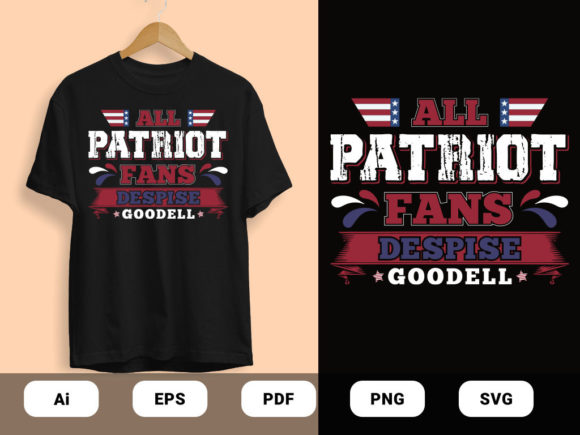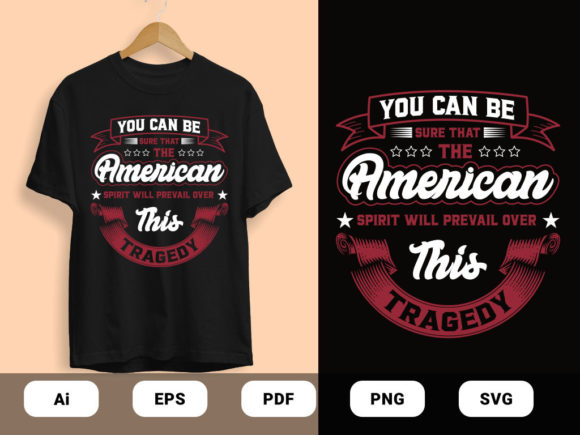
The American T-Shirt Design Vector: A Designer's Review
As a designer who spends more time staring at stitch maps than most people care to admit, I approach every new machine embroidery design with a mix of excitement and skepticism. We have all been there: you download a file that looks crisp on the screen, only to find it turns into a bird's nest of thread once it hits the fabric. Today, I am taking a close look at The American T-shirt Design Vector. While this asset is categorized under Print Templates and Graphics, my interest lies in its potential translation from a digital vector to a tangible, stitched reality for custom apparel and handmade goods.
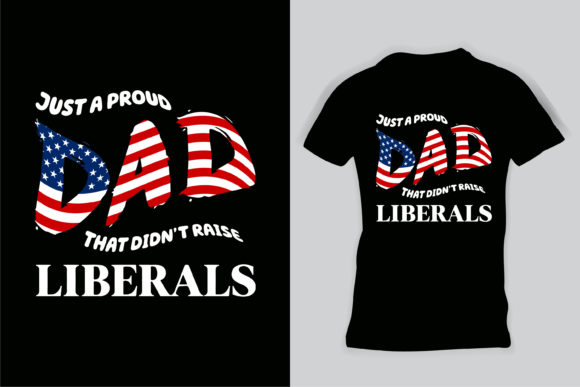
My first impression of The American T-shirt Design Vector is one of bold, classic Americana. The typography carries a weight that suggests durability and tradition, fitting perfectly into the current trend of vintage-inspired streetwear. Visually, the layout feels balanced, with a strong central focus that demands attention. For an embroidery project, this kind of clear, defined shape is usually a good sign. It suggests that the transition from a smooth vector line to a satin stitch or fill stitch could be seamless, provided the digitization respects the original geometry. The mood it creates is patriotic yet modern, making it a versatile candidate for everything from a boutique hoodie to a commemorative tote bag.
Real-World Application: The Boutique Sweatshirt Test
To truly evaluate this design, I imagined a specific real-life scenario that many Etsy sellers and craft business owners face daily. Picture a customer order for a custom sweatshirt embroidery job. The client wants a high-quality, limited-run batch for a local community event. They need something that looks professional but retains that handmade charm. This is where The American T-shirt Design Vector shines as a concept. Because the design relies heavily on typography, it offers a clean aesthetic that reads well from a distance.
If I were stitching this onto a heavy cotton blend sweatshirt, the thick lines of the lettering would likely hold up beautifully. The visual personality of the design suggests it belongs on garments meant to be worn with pride. Unlike overly intricate floral patterns that can get lost on textured fabrics, this typographic approach cuts through the noise. It would work exceptionally well as a chest logo on a custom apparel piece or even scaled down for a sleeve detail. For a small shop product, this kind of clarity builds immediate brand recognition. Customers trust products that look intentional, and a strong typographic statement delivers exactly that.
Navigating Fabric Textures and Stitch Density
However, moving from a vector graphic to a physical finished product requires careful consideration of materials. Since The American T-shirt Design Vector was originally intended for printing on t-shirts, mugs, and pillows, we must assume the lines are sharp and potentially very fine. In the world of embroidery, stitch density is everything. If you attempt to stitch this directly onto a thin, stretchy fabric like a standard jersey t-shirt without proper preparation, you risk puckering. The tension of the thread can warp the fabric, distorting those clean letters.
For textured fabrics like towels or rough canvas tote bag design projects, the design might need adjustment. A running stitch outline might get lost in the loops of a towel, whereas a denser fill would provide the necessary coverage. When working with dark fabrics, you must ensure your thread colors offer sufficient contrast. A navy thread on a black hoodie might look sophisticated in a mockup but disappear in real life. Always test your color choices against the actual fabric texture before committing to the final run. Additionally, if you are aiming for an applique design look, this vector could serve as an excellent template for cutting fabric shapes, adding a layer of dimension that pure stitching cannot achieve.
Commercial Viability and Product Value
For digital embroidery file creators and those selling design assets, the versatility of a design determines its value. The American T-shirt Design Vector has strong potential for commercial embroidery projects because of its broad appeal. It fits naturally into niches like holiday embroidery for the Fourth of July, memorial day gifts, or general patriotic merchandise. When a customer sees a well-executed version of this design on a pillow cover or a kitchen towel, it elevates the perceived value of the item. It stops being just a piece of cloth and becomes a statement piece.
This impact on visual appeal directly translates to customer trust. In the competitive landscape of online marketplaces, professionalism is key. A design that stitches out cleanly, with no gaps in the fill or jagged edges on the curves, signals quality. Whether you are creating a personalized gift for a family member or producing inventory for a craft fair, the clarity of the stitching defines the success of the product. If the tiny details in the lettering blur together, the whole project suffers. Therefore, ensuring that the scale of the design matches the capabilities of your machine is crucial for maintaining that high-end look.
Critical Considerations for the Embroiderer
Before you hoop up and start stitching, there are several practical steps every designer should take when working with a vector originally meant for print. First, always test the design on scrap fabric that matches your final material. This allows you to check the hoop size requirements and see how the stabilizer interacts with the garment. Speaking of which, using the proper stabilizer is non-negotiable. For a design with solid blocks of text, a cut-away stabilizer is often safer than tear-away, especially for items that will undergo frequent washing.
You must also inspect small details. Does the vector have extremely tight corners? These can be problematic for machines and may require manual editing to prevent thread breaks or excessive trimming. If you plan to use this for an embroidered patch, ensure the edges are defined enough to support a merrow border or a clean satin edge. Furthermore, verify the licensing terms. Just because a file is available as a graphic does not automatically grant rights for commercial resale of the stitched item. Confirm whether the license covers personal use only or if it extends to commercial embroidery sales.
Finally, consider the end user. Will this design survive the wash cycle? Dense areas can become stiff and uncomfortable if not managed correctly. For baby embroidery or items worn next to the skin, you might need to reduce density or add a soft backing. By treating The American T-shirt Design Vector not just as an image but as a blueprint for a physical object, you ensure that your handmade product stands the test of time. With the right adjustments and a keen eye for detail, this design can be a powerful addition to your repertoire of custom apparel and decorative items.