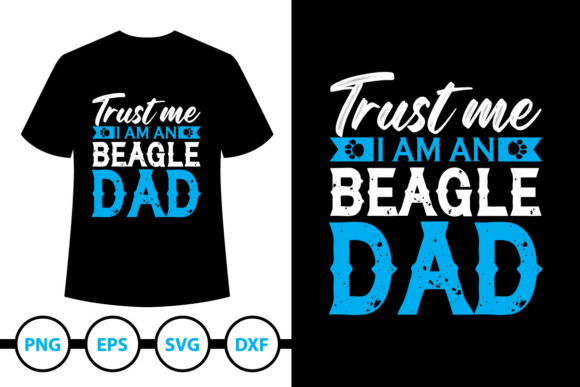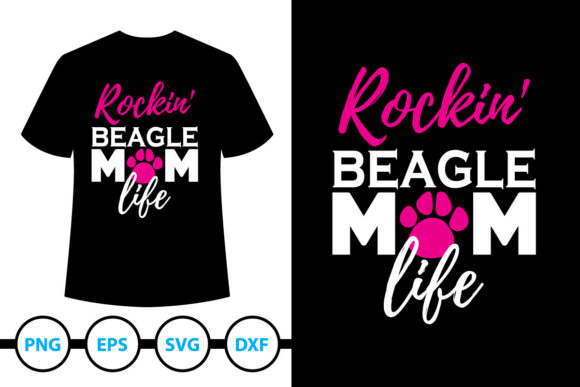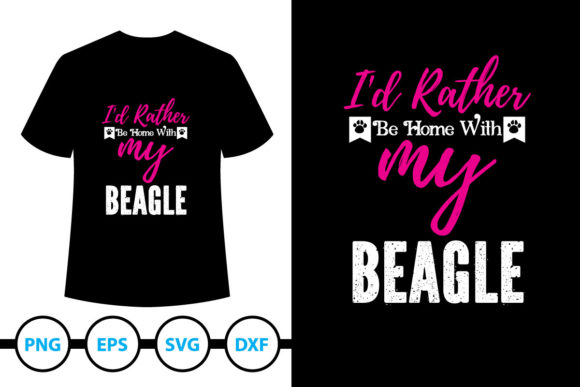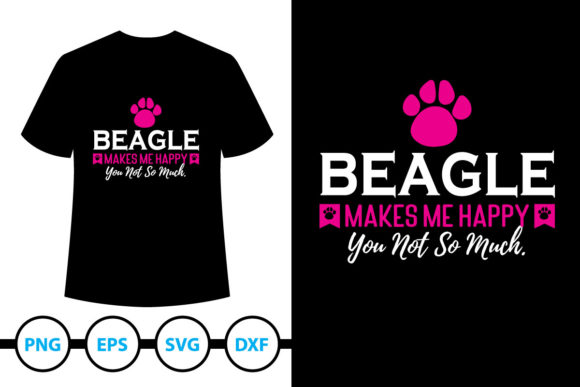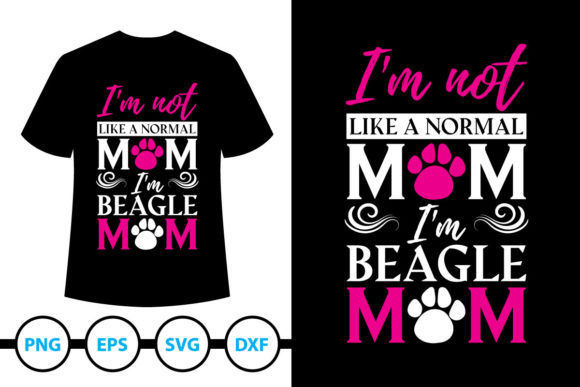
Beagle Dog T-Shirt Design 3: A Pro Review
As a designer who spends more time staring at stitch maps than most people spend looking at their phones, I approach every new machine embroidery design with a mix of curiosity and skepticism. We have all been there: you download a file that looks adorable on the screen, only to find out it turns into a bird's nest of thread breaks and puckering once it hits the hoop. That is why I took a close look at Beagle Dog T-Shirt Design 3 before committing it to any client projects or personal handmade products. This isn't just about whether the image is cute; it is about whether the underlying structure holds up under the needle.
First Impressions and Visual Personality
When I first pulled up the files for Beagle Dog T-Shirt Design 3, the immediate takeaway was its playful yet classic vibe. Beagles have a specific charm—they are scruffy, friendly, and expressive—and a good design needs to capture that without getting lost in unnecessary detail. The layout feels balanced, with a silhouette that suggests movement and personality rather than a stiff, static pose. For those of us selling Print Templates or Graphics, the visual appeal is the hook, but for the embroiderer, the line work is the promise.
The design seems to lean towards a clean aesthetic that would work beautifully as a satin stitch outline or a light fill stitch depending on how you digitize it or if it comes pre-digitized for specific machines. The mood is casual and welcoming, making it an instant fit for nursery decor, pet lover apparel, or even a quirky addition to a kitchen towel. It avoids the trap of being overly complex, which is often where small designs fail.
Real-World Application: The Custom Tote Scenario
To truly test the viability of this asset, I imagined a real-life scenario that many of us face regularly: a rush order for a local boutique needing custom tote bags for a spring market. The client wants something that screams "handmade quality" but needs to be durable enough for grocery runs. Beagle Dog T-Shirt Design 3 fits this brief perfectly. Placed centrally on a canvas tote, the design offers enough surface area to showcase thread texture without overwhelming the bag.
In this context, the design shines as a potential embroidered patch application or direct stitching. If used as a patch, the clear lines of the beagle allow for tight merrow edges that prevent fraying. If stitched directly onto the fabric, the design's openness ensures that the natural weave of the canvas doesn't get distorted by excessive stitch density. For an Etsy seller or small shop owner, this versatility is gold. You aren't locked into one product type; you can pivot from bags to sweatshirt embroidery or even baby embroidery on onesies with minimal adjustment.
Navigating Fabric Challenges and Hoop Limits
However, no design is universally perfect, and practical judgment requires knowing where to be careful. With Beagle Dog T-Shirt Design 3, attention must be paid to the substrate. If you are working with stretchy knits for a t-shirt, the stability of the design becomes critical. Dense areas, if present in the digitized version, could cause puckering on thin fabrics. This is where your choice of stabilizer matters immensely. A cut-away stabilizer would be my recommendation for anything that will see frequent washing, ensuring the beagle stays crisp and doesn't warp over time.
Another consideration is the hoop size. While the design appears compact enough for standard hoops, those of us working with cap frames or curved surfaces need to verify the dimensions against our machine's limits. Small details, like the tip of the ear or the tail, can sometimes get lost if the design is scaled down too far for a tiny pocket on a chef's apron. Always run a test stitch-out on scrap fabric that matches your final material. This simple step saves hours of frustration and protects your reputation for quality.
Commercial Viability and Brand Consistency
For creative entrepreneurs, the value of a design extends beyond the stitch count; it is about brand consistency and customer trust. Using a high-quality asset like Beagle Dog T-Shirt Design 3 elevates the perceived value of your finished product. When a customer receives a personalized gift featuring a well-executed dog design, they associate that quality with your brand. It signals professionalism.
The file formats included—PNG, SVG, EPS, and DXF—suggest this is primarily marketed as a versatile graphic for printing, but for the embroiderer, the vector files (SVG, EPS, DXF) are the gateway to creating a custom digital embroidery file. If you have access to digitizing software, these vectors provide a clean roadmap for creating satin columns and fill areas that respect the original art's intent. This allows you to create unique custom apparel that competitors using basic clipart cannot replicate.
Practical Notes for the Working Designer
Before you launch this into your production line, here are a few grounded recommendations based on experience:
- Check Thread Contrast: Test the design in both monochrome and multi-color schemes. Sometimes a single-color running stitch version looks more sophisticated on dark fabrics than a full-color rendition.
- Verify Licensing: The product description mentions usage for T-shirts, mugs, and bags, but always confirm the specific license terms regarding commercial resale of finished physical items versus digital redistribution.
- Mockup Testing: Use the provided PNG to create realistic mockups for your online store. Seeing how the design looks on a black sweatshirt versus a white tote can help you decide which products to prioritize in your listings.
- Density Check: If you are digitizing this yourself from the vector files, keep an eye on underlay stitches. Proper underlay is the secret to preventing the fabric from showing through gaps in the beagle's fur.
Ultimately, Beagle Dog T-Shirt Design 3 represents the kind of flexible, charming asset that deserves a spot in a well-curated library. It bridges the gap between a quick craft project and a sellable small shop product. Whether you are making holiday gifts for family or stocking inventory for a craft fair, this design offers a solid foundation. Just remember that the file is only half the equation; your skill in selecting the right fabric, stabilizer, and thread colors is what will turn this graphic into a standout piece of textile art.